Planning 3 days in Uvita? This local itinerary combines Marino Ballena National Park, wildlife, local food, and room to slow down, with easy adjustments for tides, weather, and season.
Before you begin
- Best base: Bahía Ballena, near Uvita’s park entrance.
- Time needed: three full days; add one or two for a slower trip.
- Best rhythm: one main morning activity and flexible afternoons.
- Important: check tides, weather, and official conditions before heading out.
Your Uvita itinerary at a glance
The plan is intentionally simple: enjoy the coast early, leave room for South Pacific weather, and return with enough time to rest. If a boat trip depends on sea conditions, avoid stacking another fixed reservation on the same day.
| Day | Morning | Afternoon | Pace |
|---|---|---|---|
| 1 | Marino Ballena and the Whale Tail | Lunch, a break, and sunset | Easy |
| 2 | Seasonal whale tour or waterfall | Local food and a short outing | Active |
| 3 | Playa Colonia or a nearby experience | Final swim and an unhurried return | Flexible |
The best Uvita itinerary is not the one with the most stops. It is the one that leaves room for the tide, a tropical shower, and the moment you decide to stay by the ocean a little longer.
Three days in Uvita, step by step
Day 1: Marino Ballena National Park and your first sunset
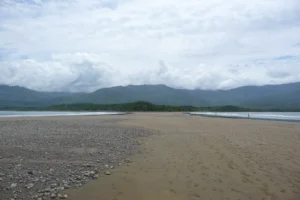
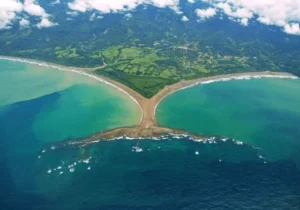
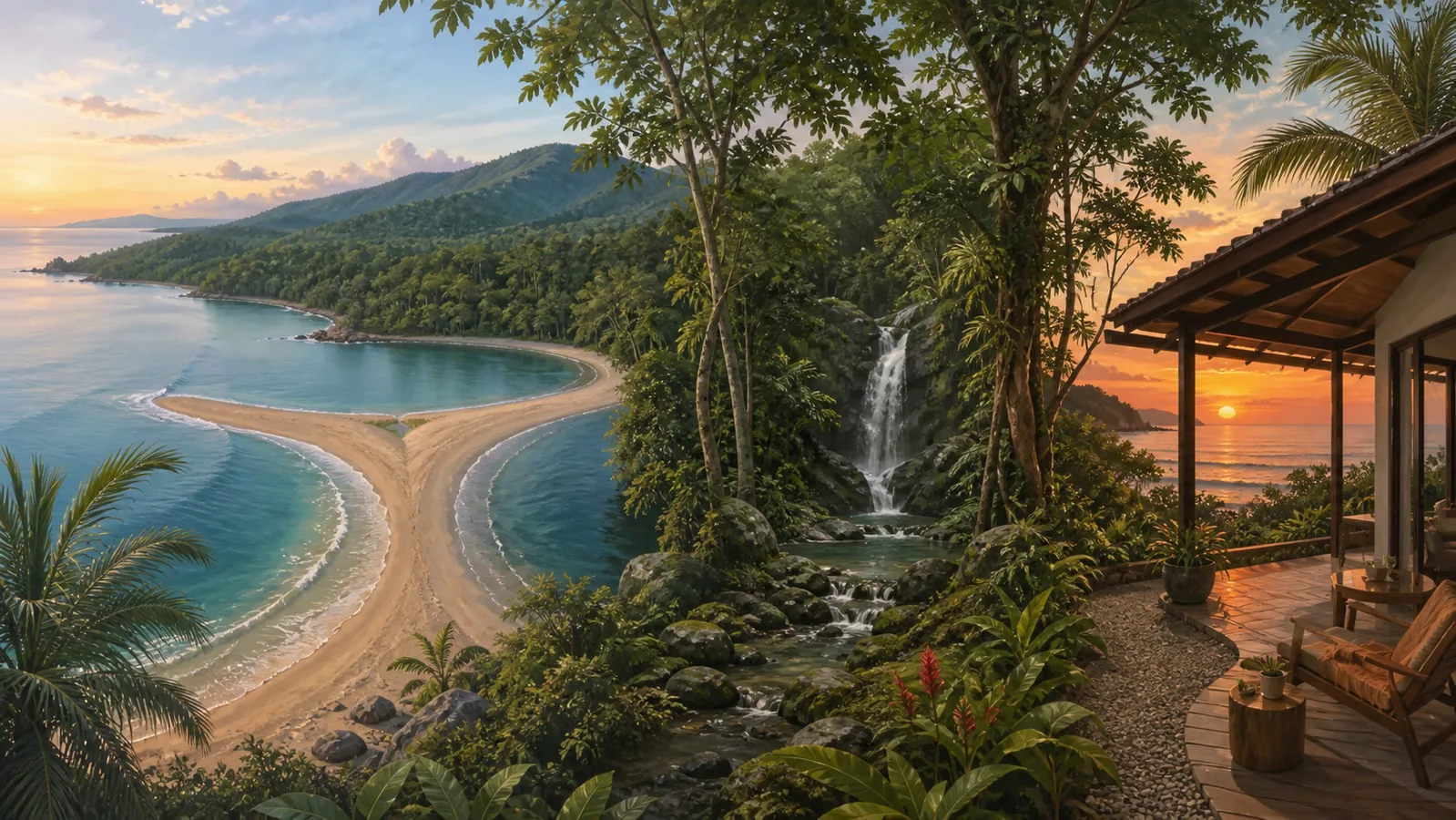
Start early at Marino Ballena National Park. Its most recognizable landscape is the sand-and-rock tombolo known as the Whale Tail, best experienced around low tide. Check the tide table the day before because access and walking conditions change as the water rises.
Bring water, sun protection, and comfortable beach footwear. Visit Costa Rica’s official page currently lists daily hours from 7:00 a.m. to 6:00 p.m., no advance reservation, and card payment at authorized ticket counters. It also lists restrictions on pets, drones, alcohol, and smoking. Details can change, so check the official park information before visiting.
After the park, have lunch in Bahía Ballena and take a proper break. Return to the coast or choose a quiet sunset spot later. That is enough for day one: getting oriented, feeling the climate, and sleeping well improves the rest of the trip.
Day 2: seasonal marine life or a rainforest waterfall
If you are visiting during a favorable wildlife window, reserve the morning for a responsible whale-watching trip. The Costa Rican Tourism Board identifies two strong Pacific periods: late December through early April and late July through early November, with particularly high probability in September and October. These are wild animals, however, and sightings are never guaranteed.
Choose an authorized operator, ask about responsible approach practices, and avoid scheduling a tight connection immediately after the tour. The Tourism Board’s whale and manta ray guide provides helpful seasonal context.
Outside whale season—or if you prefer to stay on land—swap the boat for a local waterfall. Go early, wear shoes with grip, and stay out of the water when the current looks strong or heavy rain has fallen. Later, try a Costa Rican soda, a small café, or a nearby restaurant instead of crossing town for every meal.
Day 3: Playa Colonia and a flexible farewell
Keep the final day free from complicated schedules. Playa Colonia, within the relevant park sector, is a natural choice for another slow ocean morning. If you have a car and road conditions are good, you can choose a nearby excursion instead. Ask your host whether the current route needs extra clearance or four-wheel drive, especially in the rainy season.
Travelers without a car get more from the day by staying close to Bahía Ballena. A taxi arranged in advance or a tour with transport prevents a large part of the day from disappearing into logistics. Finish with an early meal and pack before sunset so the last evening still feels like a holiday.
Plan it well: transport, weather, and packing
Without a car: this itinerary works when you stay near Bahía Ballena and focus on the park, beach, restaurants, and tours offering pickup. Confirm taxi prices before committing to longer rides.
With a car: you gain flexibility for waterfalls, beaches, and restaurants farther away. Do not assume every side road is alike; ask about current access and parking.
Weather: the South Pacific generally has a drier period from December to April and a wetter period from May to November, but rain is possible in every month. Schedule longer activities in the morning and keep a simple backup plan.
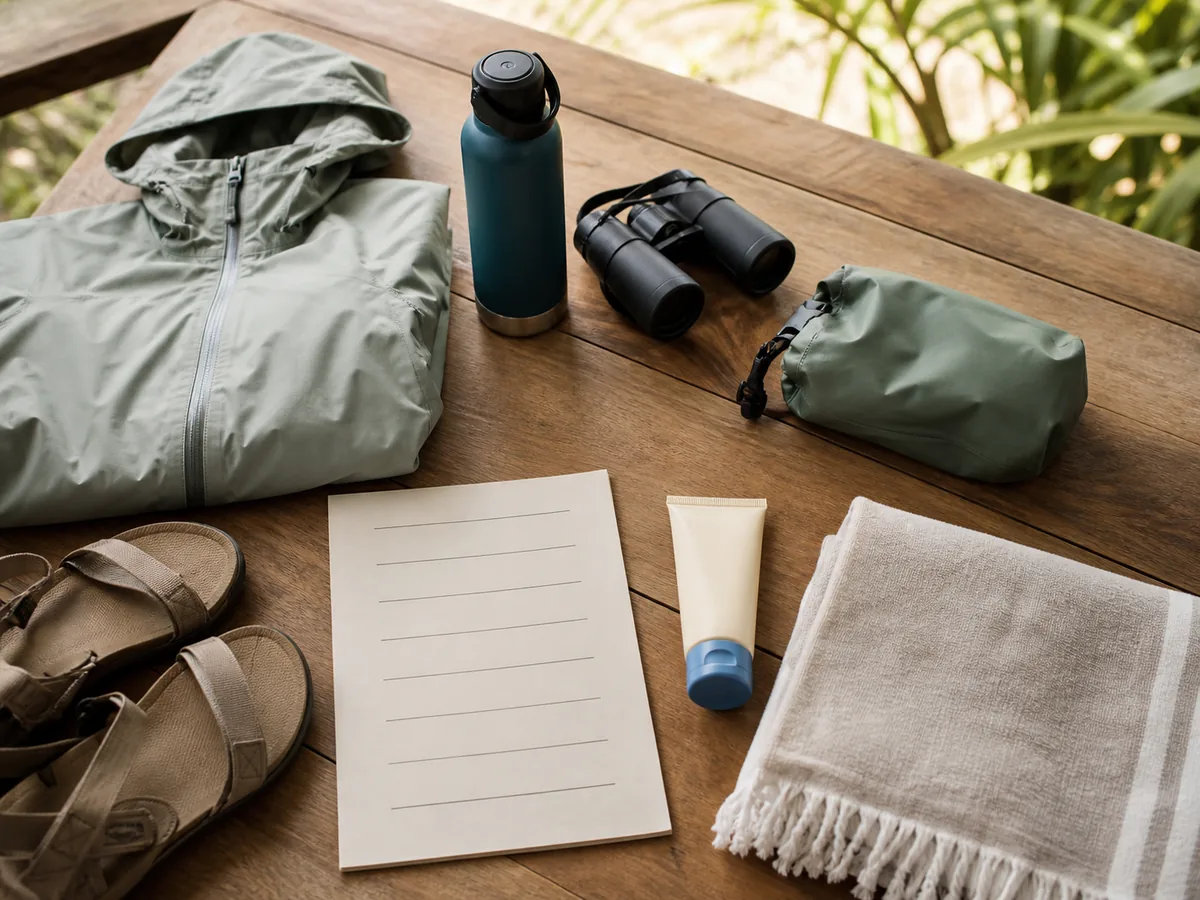
- Reusable water bottle and permitted snacks.
- Sunscreen, hat, and insect repellent.
- Light rain jacket and a dry change of clothes.
- Water-resistant pouch for your phone and documents.
- Secure sandals and shoes with grip.
- Binoculars for watching wildlife without approaching it.
Where to stay for an easier three days
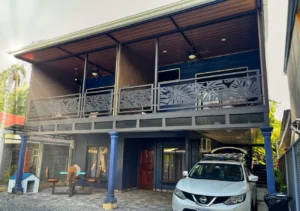
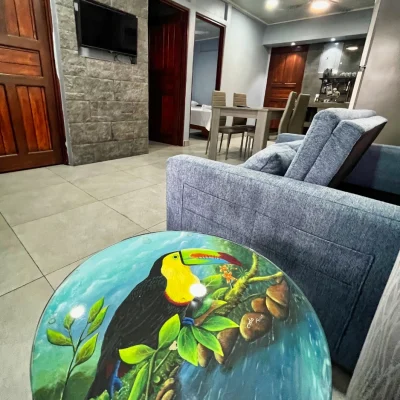
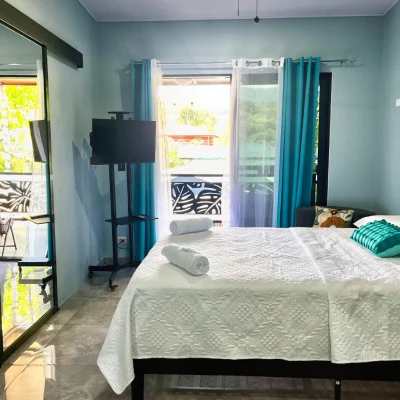
Location changes the experience. Staying near Bahía Ballena cuts transfer time, makes midday breaks realistic, and simplifies a car-free trip. Choose a Tropikós stay based on your group:
Sloth Studio
A compact base for couples or solo travelers who value location and simplicity.
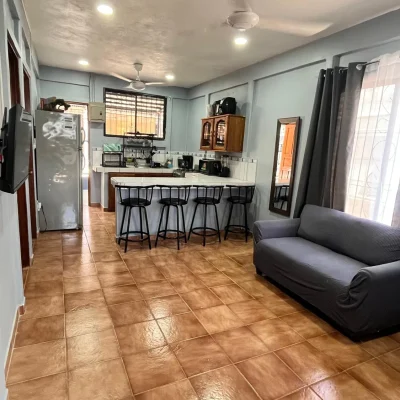
Apartment in Uvita
Extra space for an easy stay, with room to cook and rest between outings.
Two-bedroom home
A practical option for families or friends sharing common areas.
Still comparing areas? Read our complete guide to where to stay in Uvita and Bahía Ballena.
Frequently asked questions
Are three days enough for Uvita?
Yes. Three full days cover the park, one rainforest or marine-life experience, and a flexible final day. Four to six days are better if you want to rest, work remotely, or add day trips without rushing.
Can you visit Uvita without a car?
Yes. Stay near Bahía Ballena, book tours with transportation, and coordinate taxis for specific trips. A car expands your range but is not essential for this itinerary.
When is the best whale-watching season?
The Tourism Board identifies favorable windows from late December to early April and late July to early November, with a higher probability in September and October. Wildlife sightings can never be promised.
Do you need a reservation for Marino Ballena?
The official information consulted says no advance reservation is required and tickets are paid by card at authorized counters. Check the official site before you go because hours, fees, and rules can change.
Make Bahía Ballena your base
Tell us your dates and group size. We will help you choose a Tropikós stay that fits this itinerary and the way you like to travel.
Updated August 2026. Natural and operating conditions change; always confirm tides, weather, access, and official rules before traveling.